
Steel Thickness Explained
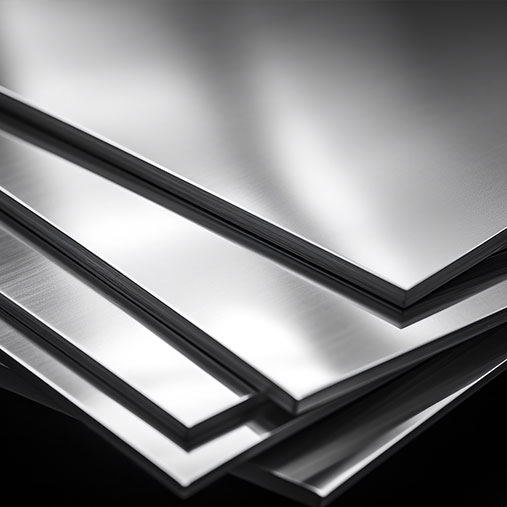
Steel Thickness Explained
One of the most common mistakes in steel projects is selecting thickness based on assumption rather than application. Steel thickness directly affects load capacity durability and safety. In Qatar where structures face heat wind and humidity the wrong thickness can cause serious long term issues.
What steel thickness actually means
Steel thickness refers to the measured depth of the steel section or plate. Even small differences can significantly change how a structure behaves under load. Thicker steel does not always mean better performance. The correct thickness depends on usage span and load distribution.
Common thickness mistakes in projects
- Using thinner steel to reduce initial cost
- Overdesigning thickness without structural calculation
- Ignoring connection and joint stress points
- Applying the same thickness across all components
How Qatar conditions affect thickness choice
High temperatures cause steel to expand while humidity accelerates corrosion. Thinner steel sections are more vulnerable to deformation under heat stress. Coastal projects require extra attention since corrosion reduces effective thickness over time.
Thickness vs structural performance
Thickness impacts bending resistance shear strength and vibration control. Beams columns and purlins each respond differently to load. Choosing thickness without engineering input can lead to excessive deflection or fatigue over time.
Cost impact of wrong thickness
Using steel that is too thin leads to repairs reinforcement and possible replacement. Using steel that is unnecessarily thick increases material weight fabrication time and transport cost. Both scenarios result in wasted budget.
How Mega Steel approaches thickness selection
- Reviewing project load requirements
- Matching thickness to fabrication method
- Considering environmental exposure
- Following Qatar construction standards
At Mega Steel Company thickness selection is treated as an engineering decision not a pricing shortcut. Each product is fabricated to meet real site conditions ensuring strength safety and long term reliability.