
Fabrication Quality Impacts
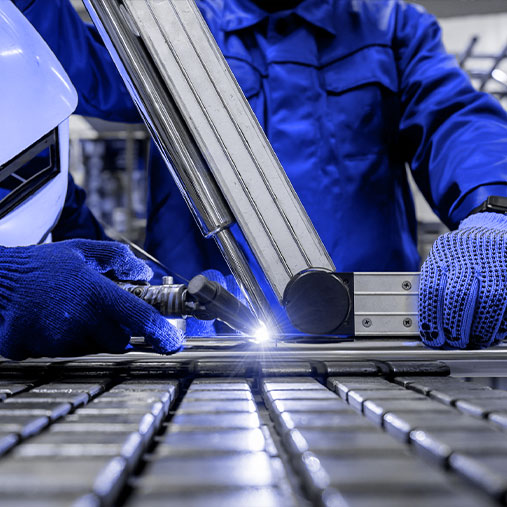
Fabrication Quality Impacts
Steel is the backbone of modern construction in Qatar. From industrial warehouses to commercial buildings, the strength of the structure depends heavily on how steel is fabricated before it reaches the site.
Why fabrication quality matters
Many people assume steel strength is fixed once the material is produced. In reality, fabrication quality can increase or reduce that strength significantly. Poor cutting, inaccurate drilling, or weak welding can compromise the entire structure.
Common fabrication mistakes that affect safety
- Incorrect steel thickness used during fabrication
- Misaligned holes causing stress concentration
- Low-quality welding that weakens load-bearing joints
- Poor surface preparation leading to early corrosion
The Qatar climate factor
High temperatures, humidity, and coastal conditions make steel structures in Qatar more vulnerable if fabrication is not done correctly. Galvanization, proper coatings, and clean welding joints are not optional. They are essential.
Load accuracy and structural performance
Every fabricated steel component must match the engineering drawings exactly. Even small deviations can change how loads are transferred across beams, columns, and connections. Over time, this can lead to deformation or failure.
What contractors should verify
- Material certificates for every steel batch
- Welding procedures and welder qualifications
- Dimensional accuracy of fabricated members
- Surface treatment quality before delivery
Long-term value of proper fabrication
High-quality fabrication reduces maintenance costs, extends structural life, and ensures compliance with local safety standards. In Qatar’s fast-growing construction sector, cutting corners during fabrication often leads to expensive corrections later.
Choosing a reliable steel fabrication partner is not just a procurement decision. It is a safety decision that affects people, property, and long-term investment value.